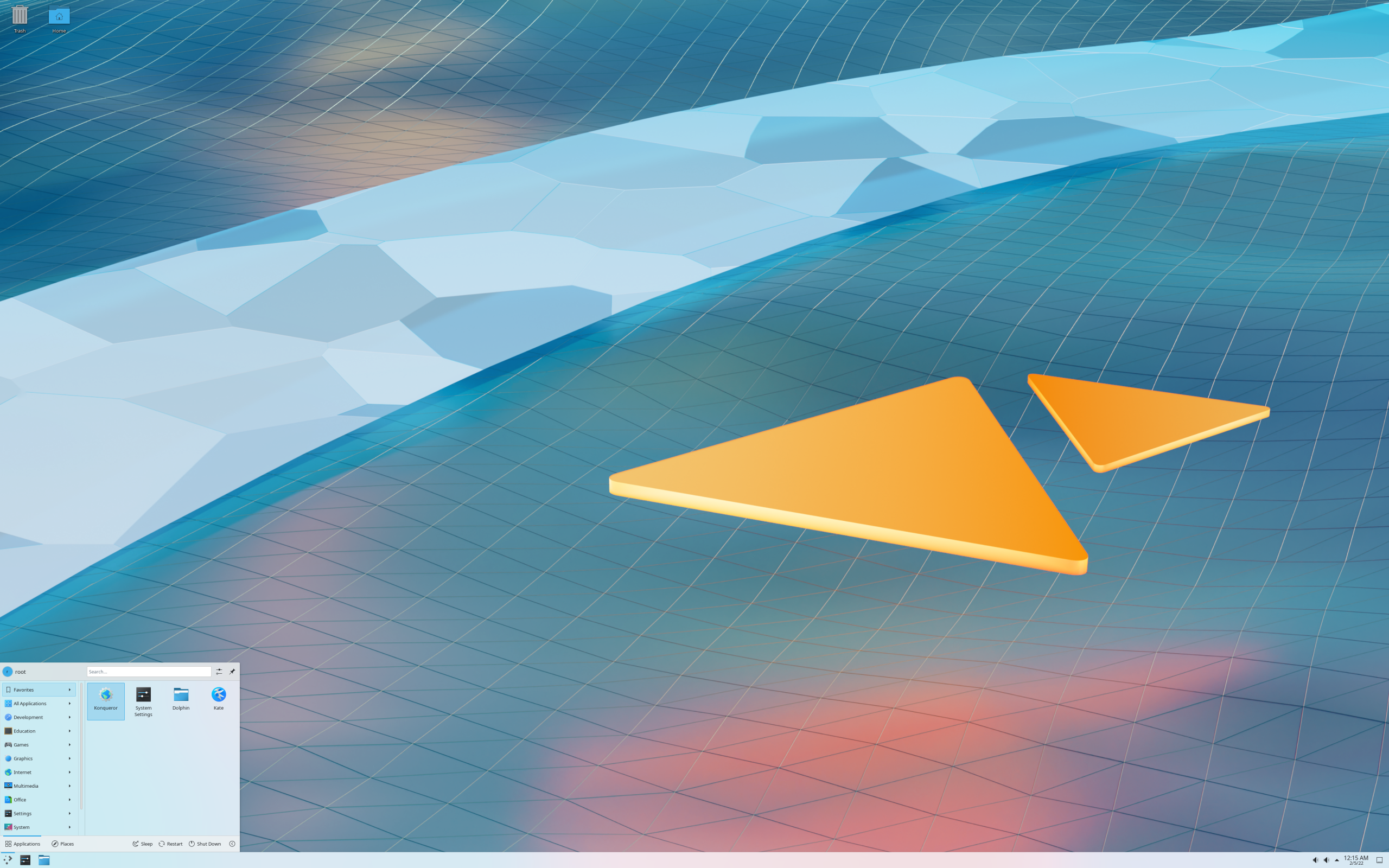
Slackware Review
Slackware 15.0: The Independent Original, Still Doing Things Its Own Way
Most Linux distributions today are built on top of another distribution. Slackware is not. According to its DistroWatch listing, Slackware is independent, originated in the USA, and is described as “The Official Release of Slackware Linux by Patrick Volkerding” — an advanced Linux operating system designed with the twin goals of ease of use and stability as top priorities, retaining a sense of tradition while providing simplicity and ease of use alongside flexibility and power.
The latest stable release listed on DistroWatch is Slackware 15.0, released on February 3, 2022, with a 3,700–3,800 MB free-download ISO and a text-mode installer. DistroWatch lists Slackware in the Desktop and Server categories, ranks it 66th for popularity with 183 hits per day, and readers rate it 9.1 out of 10 from 141 reviews — one of the highest visitor ratings in this library, earned by a system that deliberately does very little hand-holding.
That rating makes sense once you understand what Slackware is for. DistroWatch notes it provides new and experienced users alike with a fully-featured system equipped to serve in any capacity from desktop workstation to machine-room server, with web, FTP and email servers ready to go out of the box, a wide selection of popular desktop environments, and a full range of development tools, editors and current libraries for users who wish to develop or compile additional software.
At a Glance
| Base | Independent |
| Origin | USA |
| Default Desktop | KDE |
| Other Desktops | Blackbox, Fluxbox, FVWM, labwc, WMaker, Xfce |
| Release Model | Fixed |
| Latest Release | Slackware 15.0 (February 3, 2022) |
| Architecture | arm, i586, s390, x86_64 |
| Installer | Text mode |
| Package Format | txz |
| Office Suite | Calligra |
| Init System | SysV |
| Filesystems | Btrfs, ext3, ext4, JFS, ReiserFS, XFS |
| Price | Free |
| Status | Active |
| DistroWatch Rank | 66 (183 hits per day) |
| Visitor Rating | 9.1/10 from 141 reviews |
Independent Means Independent — No Parent, No Shortcuts
An independent base is a statement of intent. Slackware does not inherit another project’s release schedule, package decisions or desktop defaults, which is why its feature set looks so distinctive next to derivatives. Its descendants make the point in reverse: our Zenwalk review covers a Slackware-based system that tries to soften that heritage for the desktop, and our PorteuX review shows another Slackware descendant built for portability and speed. Slackware itself is the unfiltered source both of them start from.
That independence also explains the long gap in the release history DistroWatch records: 14.2 in 2016, then 15.0 in 2022, after alpha, beta and three release-candidate builds through 2021. Slackware releases when its maintainer judges it ready, not when a calendar says to — a fixed release model in its most literal, conservative form.
SysV, Text-Mode Install, and Learning the System Properly
Where most modern distributions converged on systemd, Slackware 15.0 is listed on DistroWatch with SysV as its init software, and installation is text mode. Those two facts together define the experience: you configure the system by understanding it, in plain files and scripts, rather than through layers of graphical tooling. Reader reviews quoted on DistroWatch return to the same theme — that working this way teaches Linux in depth, because many tasks are performed manually.
Get The Polymarket App - Get $50
It is a philosophy Slackware shares, in different ways, with other hands-on systems. Our Gentoo review covers a distribution that asks you to build and tune almost everything yourself; Slackware asks less building and more direct administration, but the respect for the user’s competence is the same. If that sounds like work, it is — deliberately. If it sounds like clarity, Slackware will feel like home.
KDE by Default, Six Other Desktops on the Table
For all its traditional reputation, Slackware’s default desktop for 15.0 is KDE, per the DistroWatch feature table — a modern, full-featured choice. And it is only the default: the listing also names Blackbox, Fluxbox, FVWM, labwc, WMaker and Xfce, spanning heavyweight desktops, classic window managers and very light options for older hardware across arm, i586, s390 and x86_64 architectures.
Packages come in the Slackware family’s native txz format, the office suite listed is Calligra, and supported filesystems include Btrfs, ext3, ext4, JFS, ReiserFS and XFS. It is a broad, old-school toolkit: nothing fashionable for its own sake, everything present because someone running a desktop workstation or a machine-room server might actually need it.
Who Should Try Slackware?
- Linux learners who want the real thing — SysV init, text-mode setup and manual administration that teach how a system actually fits together.
- Stability-first desktop and server users — a fixed release designed, in DistroWatch’s words, with stability as a top priority, ready as a workstation or a server out of the box.
- Users tired of layers — an independent system with a sense of tradition, closer in spirit to our Arch review‘s do-it-yourself ethos, but with a far more conservative release pace.
- Older-hardware owners — lightweight window-manager options like Fluxbox, Blackbox and WMaker alongside KDE and Xfce, and support for i586 as well as x86_64.
- Developers and builders — a full range of development tools, editors and current libraries included for compiling additional software, per DistroWatch.
Final Thoughts
Slackware 15.0 is not trying to win beginners over with polish, and it is not chasing a rolling-release crowd either. It is the independent original, still following its own design goals — ease of use and stability, simplicity alongside flexibility and power — and its 9.1/10 rating from 141 DistroWatch reviews suggests the people it is for would not want it any other way. Try a descendant like Zenwalk or PorteuX if you want that DNA softened; try Slackware itself if you want to understand Linux by running it.
Source: DistroWatch listing for Slackware Linux (https://distrowatch.com/table.php?distribution=slackware), release Slackware 15.0, February 3, 2022.