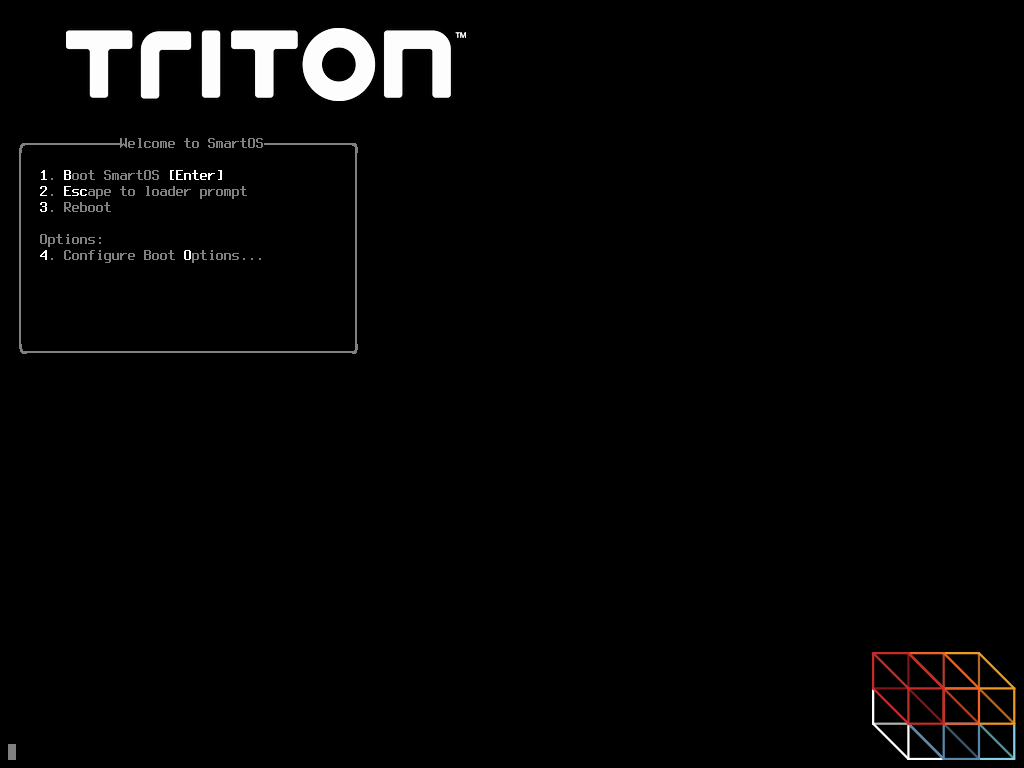
SmartOS Review
SmartOS 20261009: Not Linux at All — an illumos Hypervisor Built for Clouds
Every so often this library meets a system that is not Linux, and SmartOS is the most unapologetic example yet. According to its DistroWatch listing, SmartOS is an open-source UNIX-like operating system based on illumos, a community fork of OpenSolaris. It has no desktop at all, installs in text mode, and is categorised by DistroWatch as Specialist and Live Medium — this is infrastructure software, not a desktop distribution.
The newest release in DistroWatch’s feature table is SmartOS 20261009, released on 9 October 2026. It is free, listed as Active, from the USA, and built for x86_64 only, with an ISO image of just 600–700 MB. It sits at number 104 in DistroWatch’s popularity rankings with 139 hits per day, and visitors rate it 9.0 out of 10 from 3 reviews — a strong score from a small, specialist audience that knows exactly what it came for.
Readers who enjoyed the non-Linux detour in our FreeBSD review will recognise the pattern: a different Unix lineage, a different set of priorities, and technology Linux users often end up borrowing ideas from. SmartOS pushes that further than any BSD — its whole purpose, per DistroWatch, is building clouds and generating appliances.
At a Glance
| Latest Release | SmartOS 20261009 (9 October 2026) |
| OS Type | Solaris |
| Base | Solaris — based on illumos, a community fork of OpenSolaris, per DistroWatch |
| Origin | USA |
| Desktop | No Desktop |
| Architectures | x86_64 |
| Installer | Text mode, per DistroWatch’s feature table |
| Package Format | pkgsrc |
| Release Model | Fixed |
| Init System | Other, per DistroWatch’s feature table |
| File Systems | ZFS (journaled) |
| Category | Specialist, Live Medium |
| Price | Free (ISO image size 600–700 MB; free ISO download) |
| DistroWatch Popularity | 104 (139 hits per day) |
| Visitor Rating | 9.0/10 from 3 reviews |
Four Technologies, One Job: Virtualisation Done Properly
DistroWatch’s description names the four technologies SmartOS is built around, and together they explain the entire project. First, ZFS — described by DistroWatch as a combined file system and logical volume manager, and the only journaled file system in SmartOS’s feature table. Second, DTrace, a dynamic tracing framework for troubleshooting kernel and application problems. Third, Zones, a lightweight virtualisation solution. And fourth, KVM and bhyve, two full virtualisation solutions for running a variety of guest operating systems, including Linux, Windows, BSD and Plan 9, per DistroWatch.
That guest list is the point to linger on. SmartOS does not compete with the guests it hosts — it is the floor underneath them. A single SmartOS machine can run Linux, Windows and BSD guests under KVM or bhyve alongside lightweight Zones, which makes it a very different proposition from a friendly BSD desktop such as GhostBSD’s MATE-fronted take on FreeBSD: GhostBSD wants to be your desktop, SmartOS wants to be the hypervisor your desktops and servers live on.
Small Image, Text Installer, No Desktop — On Purpose
Nothing about SmartOS’s presentation is accidental. The ISO is only 600–700 MB, installation is text mode, there is no default desktop, no default browser and no office suite in DistroWatch’s feature table, and the system is listed as multilingual in English only. Packages use the pkgsrc format, the release model is fixed, and dated releases arrive on a steady cadence in DistroWatch’s table — 20261009 in October 2026, preceded by 20251211, 20240307 and 20231130.
That spareness suits a system designed, in DistroWatch’s words, to be particularly suitable for building clouds and generating appliances. An appliance or a cloud node should boot lean, do one job well and stay out of the way — closer in spirit to the appliance thinking behind our ZimaOS review than to any general-purpose desktop, except SmartOS aims at data-centre scale rather than a box under the TV. Its home page, per DistroWatch, is hosted by Triton Data Center, which underlines where this system is meant to live.
ZFS and DTrace: the Solaris Inheritance That Still Matters
SmartOS’s illumos and OpenSolaris roots are not trivia — they are the reason ZFS and DTrace are native here rather than ports. ZFS as a combined file system and volume manager gives SmartOS snapshots, integrity checking and pooled storage as first-class behaviour, and DTrace gives administrators the tracing framework DistroWatch describes for troubleshooting kernel and application problems in production.
Linux users meet both ideas constantly in translated form, which is why SmartOS rewards a look even if you never run it. Like our ReactOS review on the Windows-compatible side, it preserves a whole alternative operating-system tradition — here, the Solaris tradition — and keeps developing it in the open, with an Active status on DistroWatch to show for it.
Who Should Try SmartOS?
- Home-lab and cloud builders — DistroWatch says SmartOS is designed to be particularly suitable for building clouds and generating appliances, with Zones, KVM and bhyve in one system.
- Anyone who wants ZFS natively — ZFS is the system’s file system and volume manager, per DistroWatch, not an add-on; if you came via FreeBSD’s own ZFS story, SmartOS is the Solaris-lineage counterpart.
- Administrators who need to see inside a running system — DTrace, per DistroWatch, is a dynamic tracing framework for troubleshooting kernel and application problems.
- Multi-OS hosts — per DistroWatch, KVM and bhyve can run Linux, Windows, BSD and Plan 9 guests, so one x86_64 box can host a whole mixed estate.
- Not desktop seekers — with no desktop, a text-mode installer and a Specialist category, desktop-curious readers will be happier starting with our GhostBSD review and coming back here when they need a hypervisor.
Final Thoughts
SmartOS 20261009 is a reminder that the DistroWatch tables hold more than Linux. It is a free, Active, x86_64-only illumos system from the USA with a fixed release model, pkgsrc packages, a 600–700 MB ISO and exactly four headline technologies — ZFS, DTrace, Zones, and KVM with bhyve — aimed squarely at clouds and appliances. Its popularity rank of 104 with 139 hits per day is respectable for a specialist system, and its 9.0/10 visitor rating, though from only 3 reviews, suggests the people who use it value it highly.
Try it the way it is meant to be tried: boot the small live image on spare x86_64 hardware or in a nested lab, create a Zone, start a guest under bhyve or KVM, and take a ZFS snapshot. If that workflow clicks, SmartOS is not a curiosity — it is one of the most focused hypervisor platforms in this entire library.
Source: DistroWatch’s SmartOS listing, covering the SmartOS 20261009 release of 9 October 2026.