Tiny Core Review
Tiny Core Linux 17.1: A 16 MB Graphical Desktop That Runs Entirely in RAM
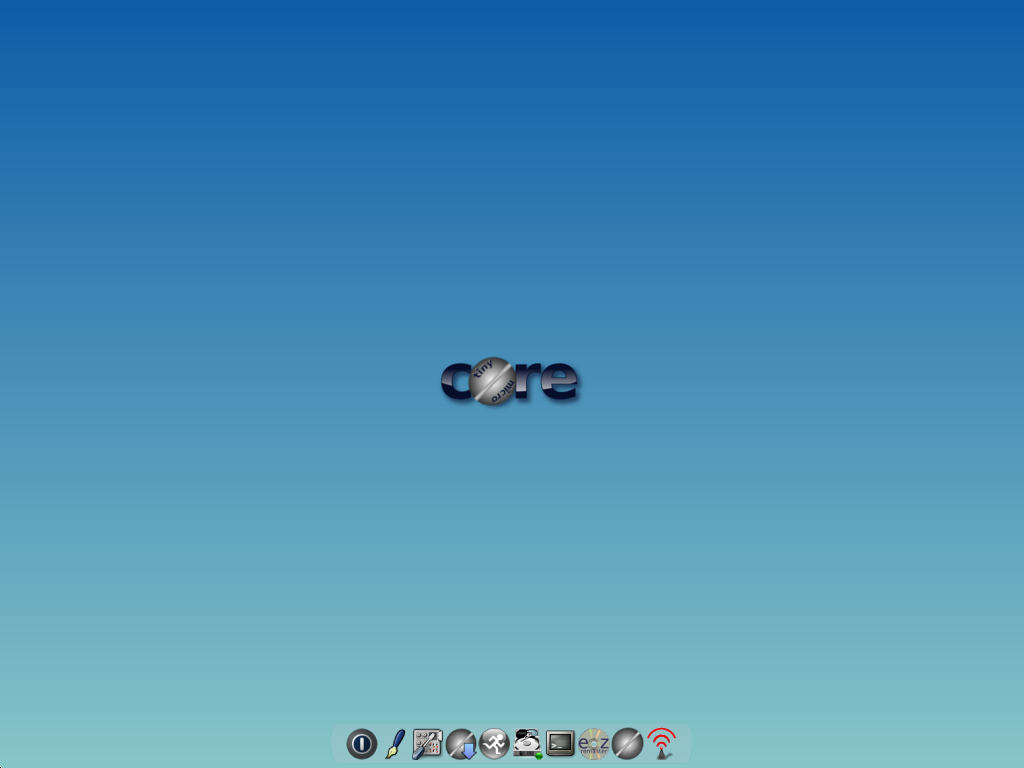
Most distributions compete on what they include. Tiny Core Linux competes on what it leaves out. According to its DistroWatch listing, Tiny Core Linux is a 16 MB graphical Linux desktop based on a recent Linux kernel, BusyBox, Tiny X, Fltk and Flwm. The core runs entirely in memory and boots very quickly — a fundamentally different starting point from a full desktop install, and one that gives the user complete control over what the system becomes.
The latest release in DistroWatch’s feature table is Tiny Core Linux 17.1, released on 17 July 2026. It is free, listed as Active, and categorised by DistroWatch as a Desktop, Load To RAM, Live Medium, Old Computers and Raspberry Pi distribution. It currently sits at number 87 in DistroWatch’s popularity rankings with 162 hits per day, and visitors rate it 7.4 out of 10 from 14 reviews.
Its roots are unusual too. DistroWatch lists Tiny Core as independent, forked from Damn Small, originating in the USA and built for i486 and x86_64 hardware in its listing summary. That old-hardware reach puts it in the same conversation as our antiX review, another lightweight system aimed at older machines — but Tiny Core goes considerably further in stripping the base down to almost nothing.
At a Glance
| Latest Release | 17.1 (17 July 2026) |
| Base | Independent (forked from Damn Small) |
| Origin | USA |
| Desktops | dwm, Fluxbox, flwm, GNOME, Hackedbox, i3, IceWM, JWM, Openbox, WMFS (flwm default) |
| Architectures | i486, x86_64 |
| Installer | Graphical (live ISO, approx. 18–280 MB) |
| Package Management | tce — tar.xz format |
| Release Model | Fixed |
| Init System | BusyBox |
| Price | Free |
| DistroWatch Popularity | 87 (162 hits per day) |
| Visitor Rating | 7.4/10 from 14 reviews |
Runs Entirely in Memory, Boots Very Quickly
The defining idea, as DistroWatch puts it, is that the core runs entirely in memory. Loading the whole system into RAM is why Tiny Core can boot very quickly, and it is why DistroWatch includes Load To RAM among its categories alongside Live Medium. You are not waiting on a large installed system to assemble itself from disk — the tiny core is simply there.
That approach will be familiar in spirit to readers of our Puppy Linux review, which also built its reputation on small size and live use. Tiny Core takes the minimalism a step further: DistroWatch lists the 17.1 image size at roughly 18 to 280 MB depending on the edition, a fraction of the multi-gigabyte downloads most desktop releases now require.
You Choose Everything That Gets Added
A 16 MB core does not try to guess what you need. DistroWatch explains that the user has complete control over which applications and/or additional hardware to have supported, be it for a desktop, a nettop, an appliance or server, selectable from the project’s online repository. Extensions are handled by its tce package management in tar.xz format, per the 17.1 release table.
That makes Tiny Core a building kit rather than a finished room. The same core can become a modest desktop, a nettop, an appliance or a server because you decide what goes into it — and, just as importantly, what stays out. Systems built on BusyBox make a similar trade of completeness for leanness, as our Alpine Linux review shows in a very different context, but Tiny Core applies that philosophy to a graphical desktop you assemble yourself.
flwm by Default, With a Crowd of Lightweight Alternatives
There is no heavyweight desktop environment driving this system. DistroWatch lists dwm, Fluxbox, flwm, GNOME, Hackedbox, i3, IceWM, JWM, Openbox and WMFS among its desktops, with flwm as the default in the 17.1 release table. The listing’s own description likewise builds the core on Tiny X, Fltk and Flwm — tools chosen for size as much as for appearance.
Refinance Your Student Loan At Sofi
That list is mostly window managers rather than full desktop suites, which fits the whole design: a fast, minimal graphical layer, and the freedom to pick a different lightweight window manager if flwm is not to your taste. The graphical installer listed for 17.1 also means getting started does not require living in a text-only setup, despite the system’s size.
Built for Old Computers, Live Use and Appliances
DistroWatch’s categories tell the story of who this is for: Old Computers and Raspberry Pi sit right there on the listing, alongside Desktop and Live Medium. Support for i486 hardware in the listing summary is a strong signal — very few active distributions still claim a reach that far back — and the tiny footprint means a machine that struggles with a modern desktop may still run Tiny Core comfortably from RAM.
Support resources are straightforward: DistroWatch links the project’s home page and download mirrors to tinycorelinux.net, and its user forums to forum.tinycorelinux.net. For a project this specialised, a dedicated forum matters, because most questions will be about building the exact system you want rather than using one that was pre-assembled for you.
Who Should Try Tiny Core Linux?
- Owners of very old computers — DistroWatch categorises Tiny Core for old computers and lists i486 and x86_64 architectures, with a core small enough to run entirely in memory.
- Minimalists who want total control — you choose every application and piece of hardware support from the project’s online repository, per DistroWatch; nothing extra is forced on you.
- Live-system and appliance builders — DistroWatch lists Desktop, Load To RAM, Live Medium and Raspberry Pi categories, and describes uses ranging from a desktop or nettop to an appliance or server.
- Lightweight-desktop fans looking beyond the usual options — if antiX’s lightweight take still feels too complete, Tiny Core’s flwm-based core and long list of tiny window managers go much smaller.
- Anyone with a slow download or a small USB stick — the 17.1 image size listed by DistroWatch is roughly 18 to 280 MB, free to download.
Final Thoughts
Tiny Core Linux 17.1 is not a smaller version of a normal distribution — it is a different idea of what a distribution should be. An independent base forked from Damn Small, a BusyBox init, tce package management, a fixed release model and a graphical desktop core that runs entirely in RAM add up to a system you finish building yourself. A DistroWatch rank of 87 and a 7.4/10 visitor rating suggest a small audience that knows exactly why it is here. If you have an old machine, an appliance project, or simply a taste for absolute minimalism, Tiny Core is one of the most distinctive downloads in Linux.
Source: DistroWatch’s Tiny Core Linux listing, covering the Tiny Core Linux 17.1 release of 17 July 2026.