CentOS Review
CentOS Stream 10: Enterprise Roots, Community Future
A free, Red Hat-sponsored community distribution that sits in the stream between Fedora and Red Hat Enterprise Linux — with a semi-rolling release model, the GNOME desktop, and the DNF/RPM enterprise software stack.
CentOS has one of the most dramatic stories in the Linux world. According to the DistroWatch listing, the project began in 2003 as a community of open-source contributors and users, and it has been sponsored by Red Hat since 2014. Through version 8, CentOS Linux was a 100% compatible rebuild of Red Hat Enterprise Linux, produced in full compliance with Red Hat’s redistribution requirements — which made it the default free choice for anyone who wanted a RHEL-compatible server without a subscription. If you want to understand where RHEL begins, our Fedora review covers the upstream project at the start of that pipeline.
Then, in December 2020, came the announcement that reshaped the project: CentOS Linux would be phased out in favor of CentOS Stream, a developer-focused distribution positioned as a middle stream between Fedora and Red Hat Enterprise Linux. CentOS Linux 8 reached its end of life on December 31, 2021, and the community’s energy moved to Stream. The current listed release is CentOS Stream 10, announced December 13, 2024, following CentOS 9 Stream (December 2021) and the final CentOS Linux point releases.
CentOS Stream 10 at a Glance
| Distribution family | Community project based on Fedora and Red Hat Enterprise Linux |
|---|---|
| Current listed release | CentOS Stream 10, released December 13, 2024 |
| Project history | Started 2003; sponsored by Red Hat since 2014; CentOS Linux 8 reached end of life December 31, 2021 |
| Desktop | GNOME |
| Install media | ISO images, free download |
| Package management | DNF with RPM packages (yum on older releases) |
| Release model | Semi-rolling |
| Supported architectures | aarch64, ppc64le, x86_64, x86-64-v2 |
| Init system | systemd |
| Journaled file systems listed | XFS (ext3 and ext4 on older releases) |
| Office suite listed | LibreOffice |
| Price | Free |
| Origin | USA |
| Status | Active |
Feature details and version information are based on the DistroWatch CentOS listing.
From RHEL Rebuild to Middle Stream
The key to understanding CentOS is the shift the project made in 2020. For nearly two decades, “CentOS” meant a free, binary-compatible copy of Red Hat Enterprise Linux — the same packages, rebuilt from the same sources, aimed squarely at servers that wanted enterprise-grade stability without a support contract. That is the era that built CentOS’s reputation in data centers and web hosts everywhere.
CentOS Stream inverts the relationship. Instead of trailing RHEL, Stream runs ahead of it: it is the continuous-delivery branch where the next minor RHEL release is assembled, tested, and shaped by the community before it becomes RHEL. DistroWatch describes Stream as a middle stream between Fedora and Red Hat Enterprise Linux — Fedora remains the fast-moving upstream where new ideas land, Stream is where those ideas settle into something enterprise-shaped, and RHEL is the finished, supported product.
That positioning explains the release cadence DistroWatch records. After the 2020 announcement came CentOS 9 Stream (December 2021), and then CentOS Stream 10 (December 2024) — each tracking the corresponding RHEL major version as it develops.
Get The Polymarket App - Get $50
A Semi-Rolling Release Model
DistroWatch lists CentOS’s release model as semi-rolling, which reflects the Stream approach: there are still major versions (Stream 9, Stream 10), but within a major version the system receives a continuous flow of updates rather than freezing on a fixed point release for years. It is more fluid than the old CentOS Linux point releases, and far more deliberate than a true rolling distribution.
Practically, that means a CentOS Stream installation stays closer to what RHEL will become next, which is exactly what developers and testers targeting RHEL want. The trade-off is that it is not the change-frozen platform the old CentOS Linux was: systems administrators who valued decade-long package stability migrated elsewhere when the shift happened.
DNF, RPM, and the Enterprise Toolchain
Under the hood, CentOS Stream 10 uses DNF as its package manager with RPM packages (the package table also records yum for older releases), systemd as the init system, and XFS as the listed journaled file system, with LibreOffice as the listed office suite. That is the classic enterprise-Linux stack: the same toolchain RHEL administrators have used for years, free to install on as many machines as you like.
The enterprise orientation also shows in the architecture support: aarch64, ppc64le, x86_64, and x86-64-v2, per the DistroWatch listing. This is a distribution aimed at servers first — x86-64 servers, ARM servers, and even IBM Power hardware — rather than at hobbyist desktops. If you like the RPM world but want a more desktop-oriented fixed release, our openSUSE review covers another veteran of that family.
GNOME and a Server-First Character
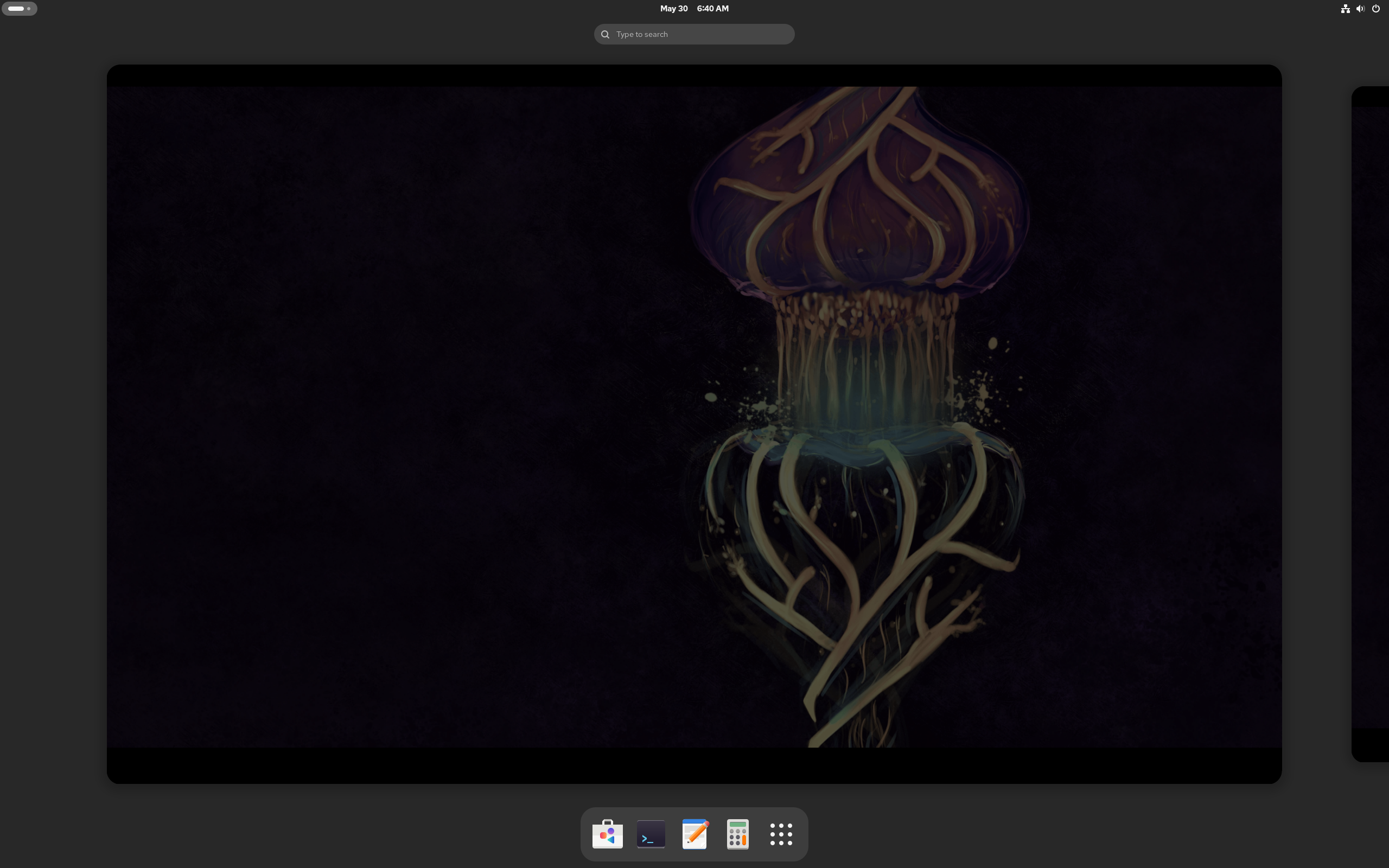
The default desktop listed for CentOS is GNOME, and the DistroWatch category tags — Desktop, Live Medium, Server — tell the same story: this is a system where the desktop exists to serve administration and development work, not the other way around. Expect a restrained, professional GNOME session with the enterprise tooling close at hand.
Free Credit Score Monitoring At Sofi
DistroWatch also records a popularity rank of 68 (184 hits per day over the trailing six months) and an average visitor rating of 5.3 out of 10 from 23 reviews — numbers that reflect a project still finding its audience after the Stream transition divided the old CentOS community.
Who Should Try CentOS?
- System administrators who want a free, RHEL-adjacent environment for testing, staging, and learning the RHEL toolchain.
- Developers targeting RHEL or Fedora-based production systems who want to build against what RHEL will become next.
- Former CentOS Linux users who want to follow the project’s continuation under the Stream model.
- Server operators evaluating free enterprise-grade options — if a change-frozen, fixed-release server is more your style, another free server staple like Debian may be the better fit.
- Students and certification candidates learning enterprise Linux administration on a free, Red Hat-lineage system.
Final Thoughts
CentOS is no longer the distribution it was for its first seventeen years, and it is important to be honest about that. The free RHEL rebuild era ended with CentOS Linux 8; CentOS Stream 10 is a different proposition — a continuously delivered, developer-focused branch of the RHEL pipeline, free to download, sponsored by Red Hat, and built on the familiar DNF/RPM/systemd foundation.
Judged on what it is rather than what it replaced, Stream 10 has a clear purpose: it is the place to preview, test, and contribute to the future of enterprise Linux. For a fixed-release desktop-and-server alternative from the Debian family, our Ubuntu review covers the most widely deployed option.
Bottom line: CentOS Stream 10 is the community’s window into the RHEL pipeline — free, Red Hat-sponsored, and semi-rolling. Just know which side of the 2020 divide you are on before you install it.
Source: DistroWatch: CentOS. Information in this post reflects the DistroWatch listing for CentOS Stream 10, released December 13, 2024.